Digital marketing vs social media marketing: what is the difference?
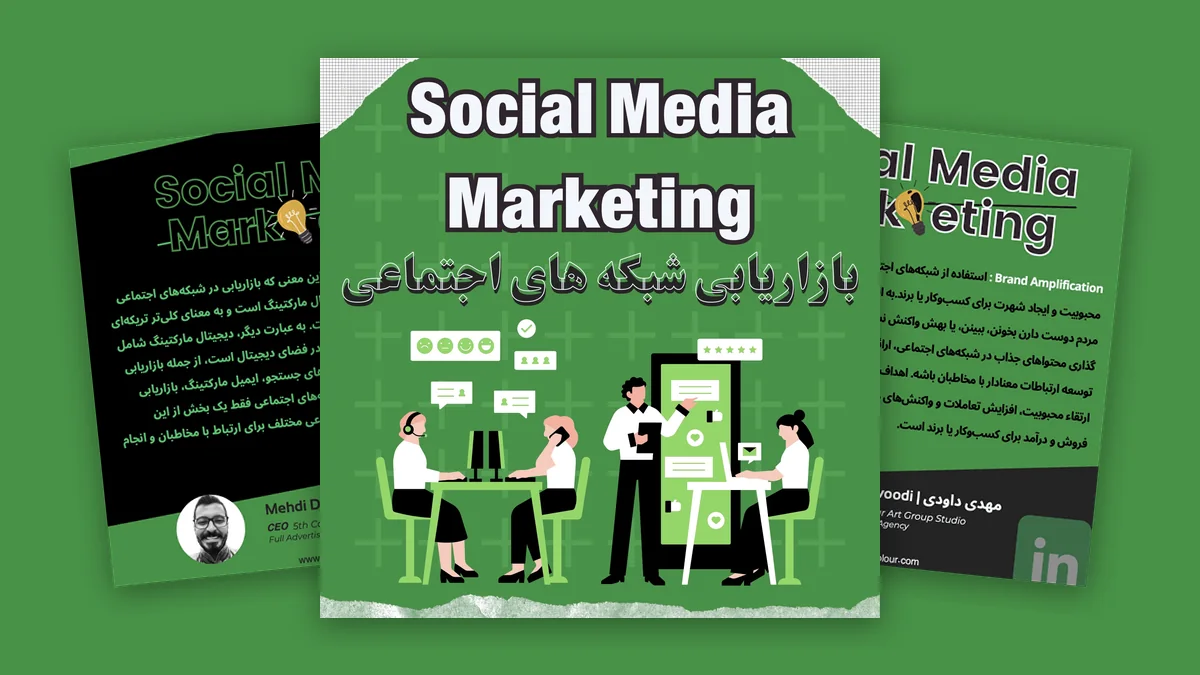
Two elements play a central role in marketing today: digital marketing and social media marketing. Both have transformed how brands market themselves and challenged traditional advertising strategies. But they are not the same, and knowing the difference helps you split your budget and effort wisely.
Digital marketing: the big umbrella
Digital marketing is a broad approach that uses many tools to introduce a business to its audience and build direct contact: websites, search engines and SEO, email marketing, pay-per-click ads, video and social media advertising. (I explain its basic terms in Key digital marketing terms every business should know.)
Social media marketing: a vital subset
Social media marketing is a strategy focused on networks such as LinkedIn, Instagram, Facebook and X to build direct relationships with an audience and promote a brand or product. It works through engaging content, targeted ads and direct conversations with users, helping brands understand their audience better and build lasting relationships with customers.
Key features of social media marketing
Subset of digital marketing
Social media marketing is only one part of the wider field of digital marketing. Digital marketing covers all marketing activities and strategies in the digital space, from content marketing, online ads, SEO and email marketing to video marketing; social media marketing is the part that uses social networks to reach audiences and run marketing activities.
Platform-specific content
Content is produced specifically and optimised for each platform, so it fits that platform's features and needs; a LinkedIn post is not an Instagram reel.
Relationship building
One of the main goals of social media marketing is to create and strengthen relationships with audiences, building trust and a strong connection between brand and customers.
Platforms
LinkedIn, Facebook, Instagram, X (Twitter) and other networks are the tools of marketing in the digital world, each with its own audience and features.
Organic, UGC and paid content
Organic content is published without paying for display or promotion. Content created by users themselves is called user-generated content (UGC). Posts, videos, photos, articles and blog posts made by users or business owners build relationships, offer value and raise brand awareness. Paid content, by contrast, is advertising published for a fee.
Direct interaction
Direct, immediate contact with audiences through comments, messages, reactions, answers to questions and problems, or even live chat. The benefits: more trust in the brand, positive interactions and customer satisfaction, better relationships, and the chance to offer personalised products and services.
Brand amplification
Using social networks to grow brand awareness, popularity and reputation: creating content people like to read, watch and react to, sharing valuable and transformative content and building meaningful relationships. The end goals are awareness, positive engagement and, ultimately, more sales and revenue.
At a glance
| Topic | Digital marketing | Social media marketing |
|---|---|---|
| Scope | All digital channels | Social networks only |
| Tools | Website, SEO, email, PPC, video, social media | LinkedIn, Instagram, Facebook, X and more |
| Strength | Lasting search visibility and turning visits into customers | Close relationships and brand awareness |
| Communication | Mostly one-way and targeted | Two-way and conversational |
Which one does your business need?
They are not rivals. Social media brings your brand closer to people and builds relationships; your website and SEO are where those relationships turn into enquiries and sales. A good plan usually has both: regular social content that leads people to your website and service pages.
Social media builds the relationship; digital marketing turns it into a customer.
If you need a social media or digital marketing plan for your brand, see our digital marketing and content service or get in touch with 5th Colour Art Group; the first consultation is free. See our Instagram content work in the Dena office furniture project. This article expands a post first published on Mehdi Davoodi's LinkedIn.
Frequently asked questions
What is the difference between digital marketing and social media marketing?
Digital marketing covers all digital channels (website, SEO, email, online ads and social media), while social media marketing is one part of it, focused on networks such as Instagram and LinkedIn and on direct contact with the audience.
Can I market my business with Instagram alone?
You can start there, but relying on one network is risky. Your website and SEO are owned media that turn social media audiences into enquiries and sales.
Which social network is best for B2B businesses?
For industrial and corporate businesses, LinkedIn is usually the best network for reaching managers and decision makers; Instagram is a good complement for showing products and brand visually.