Key digital marketing terms every business should know
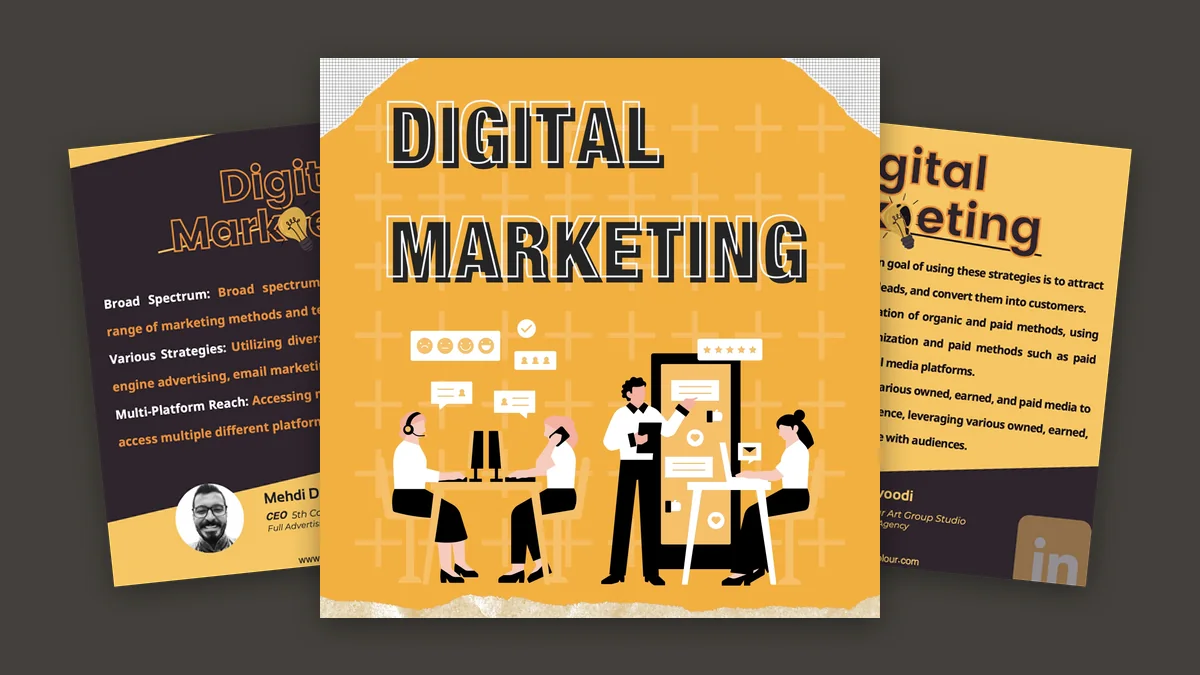
Media have always been tools for delivering a message, but in the digital world that definition has grown much wider. Search engine technology keeps changing, and digital marketing changes with it. In the past, many people tried to climb search rankings by copying content or even spamming; today those tactics do not work and can harm a brand.
Instead, concepts such as Broad Spectrum, Organic and Paid Tactics and Owned, Earned, Paid Media have become the shared language of digital marketing. If you run a business or lead marketing, knowing these terms helps you speak the same language as your agency and make better decisions. Here are six basic terms, explained simply.
1. Broad Spectrum
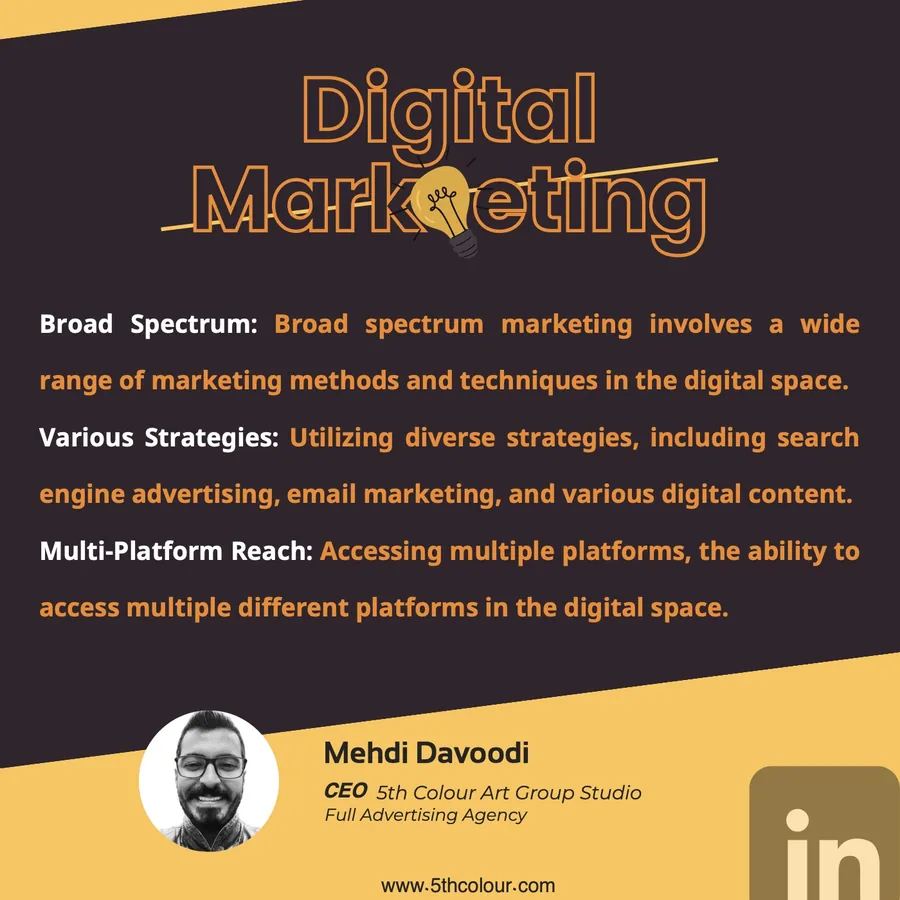
Broad spectrum marketing involves a wide range of marketing methods and techniques in the digital space; it uses every method you can think of to cover all aspects of marketing: website, SEO, social media, email, pay-per-click ads, video and content. No brand is fully visible through a single tool; the skill lies in combining them well.
2. Various Strategies
Digital marketing uses diverse strategies, including search engine advertising, email marketing and varied digital content. Whatever your goal, there is a strategy for it: PPC advertising for quick sales, SEO for lasting visibility on Google, content and video for building trust. Set the goal first, then choose the strategy.
3. Multi-Platform Reach
Multi-platform reach is the ability to be present on many different platforms in the digital space. You do not advertise on just one platform but on several at once: your website, Instagram, LinkedIn, YouTube and search engines. The key is to keep the brand message and visual identity consistent across all of them, so people recognise you everywhere.
4. Traffic, Leads, Conversions
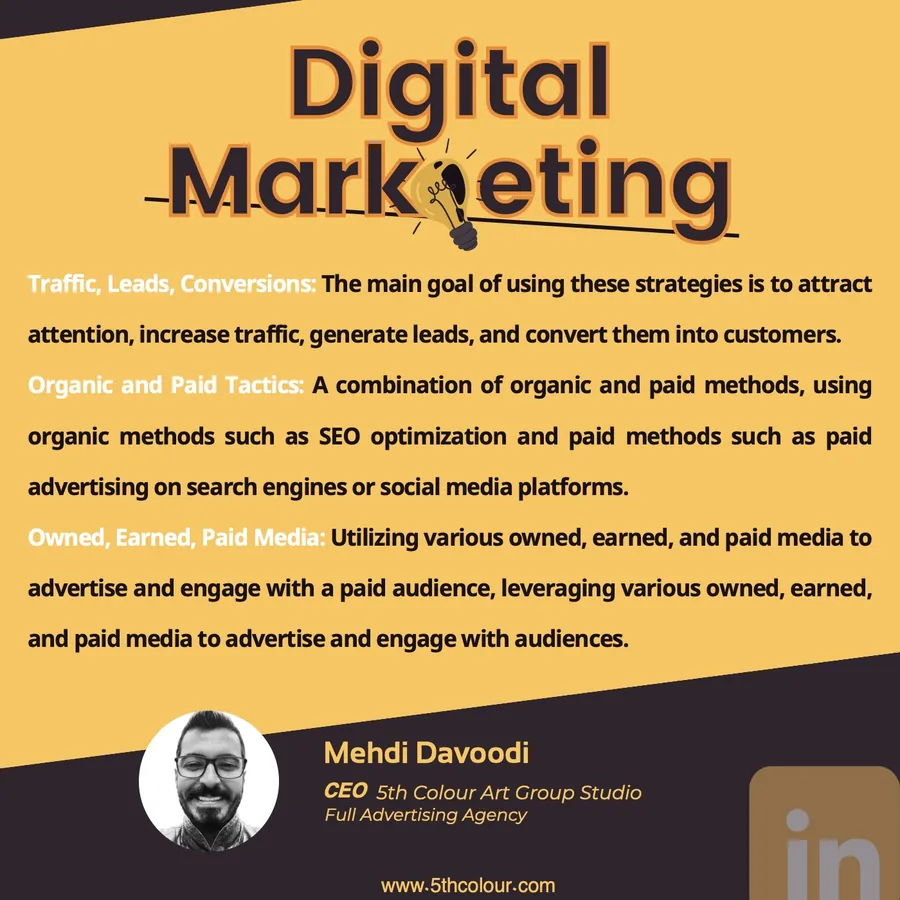
The main goal of all these strategies is to attract attention, increase traffic, generate leads and convert them into customers. In three steps: bring more people to your website (traffic), get their contact details or a request for a consultation (leads), and turn them into customers (conversions). Lots of visits without leads, or lots of leads without sales, means part of the path needs fixing.
5. Organic and Paid Tactics
Organic methods such as SEO, content and regular social media activity have no direct ad cost; their results are slow but lasting. Paid methods such as PPC and social ads work fast but stop when the budget stops. The best plan usually combines both.
6. Owned, Earned, Paid Media
- Owned media: channels you own and control, such as your website, blog, newsletter and brand social media pages.
- Earned media: visibility you earn rather than buy, such as recommendations, reviews, shares and press coverage.
- Paid media: anywhere you pay to be seen, such as Google Ads, Instagram ads and billboards.
Owned media is the foundation: without a good website and content, even paid ads will not take people anywhere useful.
Digital marketing is the right mix of tools for a clear goal, not an unplanned presence everywhere.
Next step
Social media is one of the most important parts of digital marketing; I explain the difference between the two in Digital marketing vs social media marketing: what is the difference?
If you need a digital marketing, content or SEO plan for your brand, see our digital marketing and content and web design and SEO services, or get in touch with 5th Colour Art Group; the first consultation is free. This article expands a post first published on Mehdi Davoodi's LinkedIn.
Frequently asked questions
What is digital marketing, in simple terms?
Digital marketing is promoting and selling a product or service through digital channels: websites, search engines, social media, email, video and online ads. Its goal is to attract visitors, capture leads and turn them into customers.
What is the difference between owned, earned and paid media?
Owned media are your own channels (website, social media pages), earned media is visibility gained through others (reviews, shares, press), and paid media is any advertising you pay for.
Is SEO or PPC better?
It depends on the goal. PPC brings quick results but stops when the budget stops; SEO is slower but lasting. Most brands get the best results by combining the two.