10 reasons you quit LinkedIn (and how to keep going)
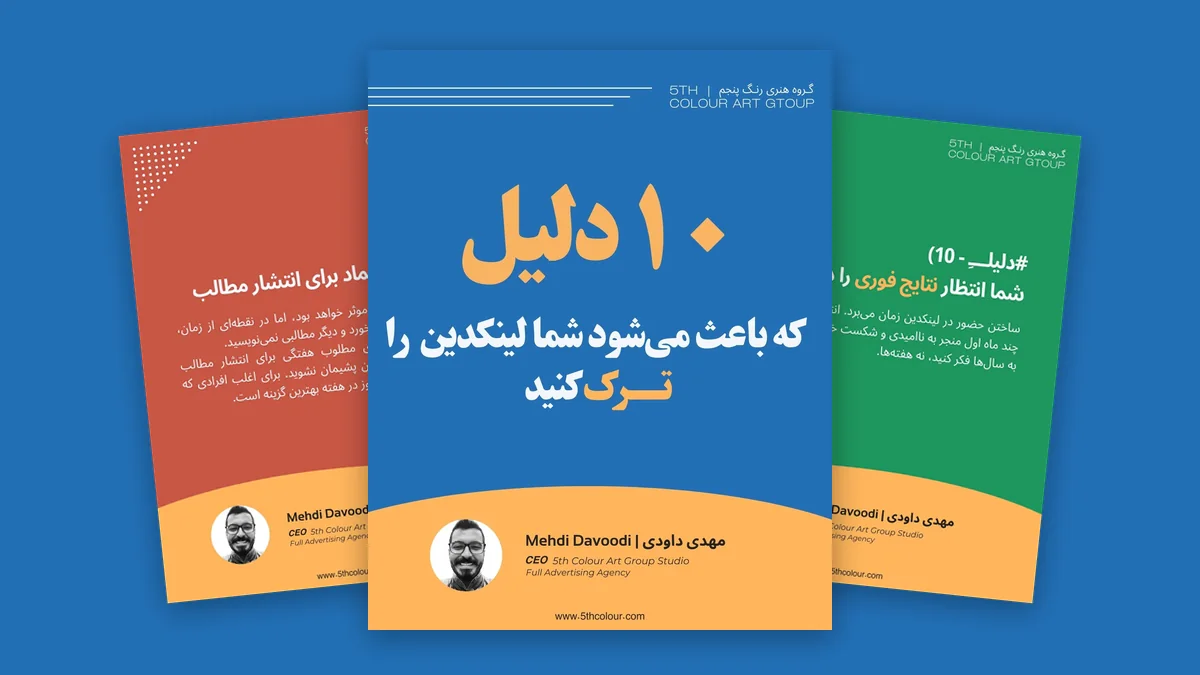
LinkedIn now has more than a billion members, yet estimates suggest only about one percent of them publish content regularly. For anyone who writes consistently and well, the field is almost empty. I have published on LinkedIn every day for a year, and I have seen what works and what makes people burn out and leave. Here are ten reasons people quit LinkedIn, and how to fix each one so it works for you and your brand this year.
1. No motivation or publishing plan
The first burst of enthusiasm lasts about a month; then something gets in the way and you stop writing. The fix is not more motivation, it is a fixed weekly schedule you will not regret. For most people starting out, three days a week is the best choice: enough to be seen, not so much that you burn out.
2. Making it hard to comment
If you want people to comment, make it easy. End with a clear call to action and ask exactly what you want their view on. "What do you think?" is vague; "Which day of the week do you post?" takes ten seconds to answer.
3. Posts that are hard to read
Long paragraphs with no breaks are exhausting on a phone, and most LinkedIn readers are on their phones. Break your text into short sentences and paragraphs. Find a writer whose style suits you, study how they format their posts, and use that pattern until your own style develops.
4. Writing that is too complex
Jargon and complicated sentences make posts hard to read in this format. Write simply, so that a colleague outside your field understands. Simple writing shows you know the subject well enough to explain it plainly.
A personal note: I use AuthoredUp to draft and schedule my English posts. It is very useful for formatting and previewing, although it does not support Persian yet.
5. Not networking
LinkedIn works like the real world: the more time and energy you invest in your network, the more you get back. Network with an "offer help" mindset rather than "ask for help". Look for ways to help your connections; the easiest is to leave useful, genuine comments on their posts.
6. Not writing for one specific person
When posts are written for everyone, nobody feels they were written for them. Pick one specific person and write for them. Writing for your younger self is usually the best place to start.
7. Not replying to comments
You know how much effort it takes to comment on someone else's post. So when people do it on yours, do not leave them unanswered. Reply to every comment, especially in the first hour after posting; the conversation builds relationships and helps the post reach more people.
8. Not engaging with other people's content
LinkedIn runs on reciprocity: if you ignore other people's posts, nobody will keep commenting on yours. Keep your engagement focused, for example 15 minutes a day, commenting on posts where you genuinely have something to add.
9. Topics that are too narrow
Focusing on your field matters, but if your range is too narrow you will run out of things to say within weeks. Choose at least one topic you can always write about, such as everyday lessons and mistakes from your work.
10. Expecting quick results
Building a presence on LinkedIn takes time. Expecting meaningful results in the first few months leads to disappointment and giving up. Think in years, not weeks.
Play the long game
Building a presence on LinkedIn, like anything worthwhile in life, takes time, patience and consistency. The same is true for brands and companies: a company page and leadership profiles that stay active, useful and consistent in voice build trust with future clients and partners over time.
LinkedIn is a marathon, not a sprint.
If you need a LinkedIn and social media content plan for your brand, see our digital marketing and content service or get in touch with 5th Colour Art Group; the first consultation is free. This article expands a carousel first published on Mehdi Davoodi's LinkedIn.
Frequently asked questions
How often should I post on LinkedIn?
To start, three posts a week is usually the best balance: enough to be seen and few enough that you keep going. Consistency matters more than volume.
Why are my LinkedIn posts not getting views?
Common reasons are text that is hard to read on a phone, no invitation to comment, not replying to comments in the first hour, and not engaging with other people's posts. Fixing these four usually improves reach.
How long does LinkedIn take to show results?
Building an effective presence usually takes several months to a year of regular publishing. Expecting quick results is the most common reason people quit.